



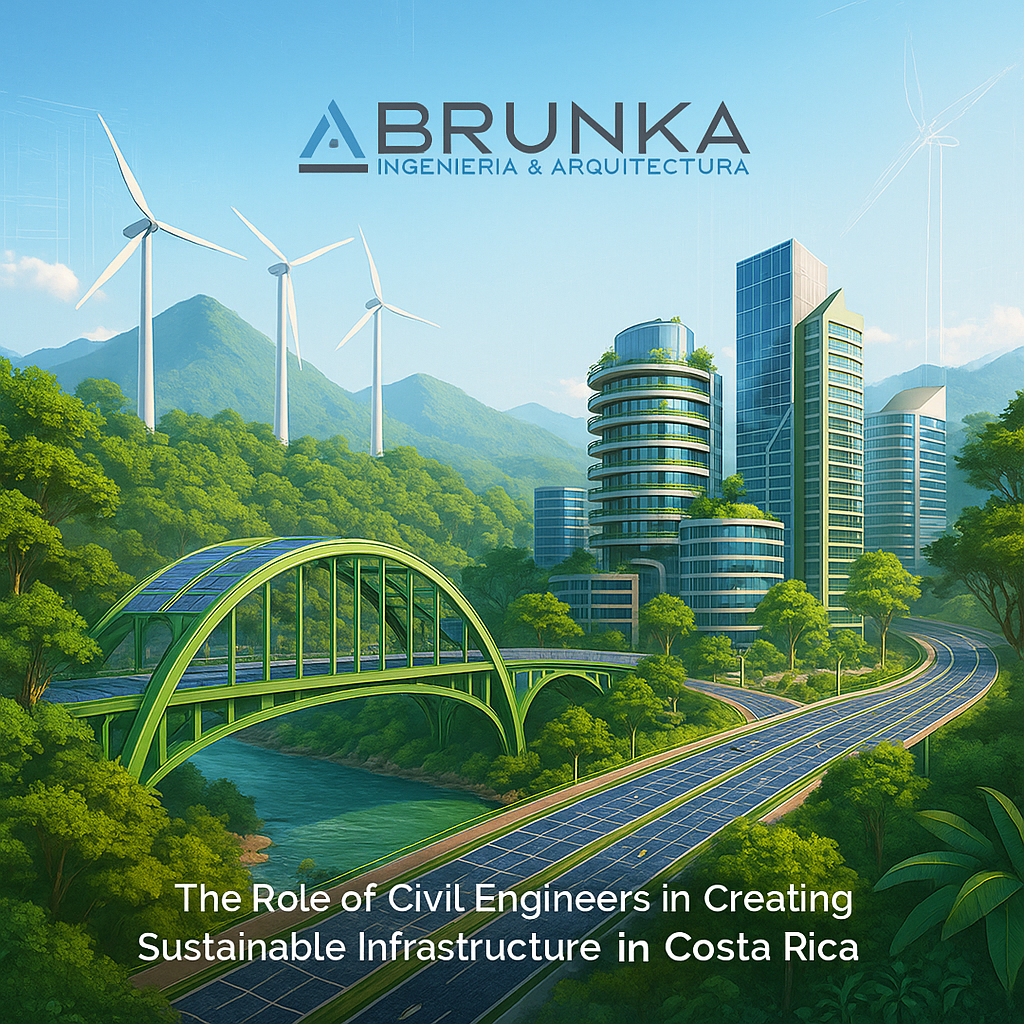
The Role of Civil Engineers in Creating Sustainable Infrastructure in Costa Rica
key takeaways
- Costa Rica’s civil engineers are leading the nation’s transformation toward eco-friendly and resilient infrastructure.
- From green highways to renewable-energy-integrated buildings, sustainability defines every new project.
- The country’s commitment to carbon neutrality relies heavily on modern engineering innovation.
- Civil engineers now balance growth with environmental responsibility like never before.
- This article explores how their work is shaping Costa Rica’s sustainable future.
Costa Rica has long been celebrated for its lush biodiversity and environmental consciousness. But beyond its tropical beauty lies another quiet revolution — a new era of sustainable infrastructure, carefully designed and executed by civil engineers. The professionals at Architect Engineer have become the backbone of this transformation, merging cutting-edge engineering with eco-friendly principles to ensure every project aligns with the country’s ambitious sustainability goals.
In a world struggling with climate change, Costa Rica stands out as proof that infrastructure can be both modern and environmentally balanced. The country’s civil engineers are no longer just builders; they’re environmental stewards, designing systems that minimize ecological impact while improving the quality of life for citizens.
Building in Harmony with Nature
Civil engineers in Costa Rica don’t fight against nature — they design with it. Every project begins with an in-depth environmental impact assessment, ensuring construction respects local ecosystems. From preserving river systems to designing around natural wildlife corridors, engineers aim to protect biodiversity while creating lasting infrastructure.
For example, projects featured in Environmental Planning Services incorporate native vegetation, water-efficient landscaping, and smart drainage systems. These methods not only preserve Costa Rica’s fragile ecosystems but also reduce long-term maintenance and energy costs — proving sustainability can be both practical and profitable.
Eco-Friendly Construction Materials and Design
Traditional concrete and steel structures are being replaced by low-carbon, energy-efficient materials. Costa Rican civil engineers now prioritize recycled aggregates, bamboo composites, and green concrete to reduce carbon footprints. The Costa Rica Green Building Council reports that sustainable materials can cut total project emissions by nearly 25%.
Engineers are also focusing on passive design techniques — structures that naturally regulate temperature and light. By combining eco-materials with smart architectural design, projects under Green Construction Services achieve durability without compromising environmental goals.
Water Management and Resilient Infrastructure
Costa Rica’s tropical climate brings both heavy rainfall and droughts, making water management a top engineering priority. Civil engineers design permeable pavements, flood-control channels, and rainwater harvesting systems that protect urban areas while replenishing natural groundwater sources.
In coastal regions, where rising sea levels pose a growing threat, engineers are developing climate-resilient drainage systems and erosion-control structures. These solutions — explored in Hydraulic Engineering — ensure communities remain safe even during extreme weather events.
Integrating Renewable Energy into Infrastructure
Costa Rica already generates nearly all its electricity from renewable sources. Civil engineers contribute by designing roads, bridges, and buildings that integrate solar panels, geothermal energy, and wind systems into their frameworks.
Projects under Energy Infrastructure Services showcase how clean energy is embedded directly into civil works — from street lighting powered by solar panels to micro-hydropower systems in rural communities. According to the World Bank, Costa Rica’s renewable integration has saved millions in fossil fuel imports while promoting sustainable economic growth.
Sustainable Urban Development
Cities like San José are rapidly expanding, but growth here follows a green urban blueprint. Civil engineers work with urban planners to create walkable cities, efficient public transport, and mixed-use developments that reduce commuting times and emissions.
Under Urban Planning & Design, projects emphasize smart land use — compact developments that encourage public transport, cycling, and community interaction. This shift not only reduces environmental pressure but also enhances the overall livability of Costa Rican cities.
Seismic Safety and Structural Innovation
Costa Rica sits on the Pacific Ring of Fire, making earthquake resilience crucial. Civil engineers use advanced seismic analysis and energy-dissipating materials to create buildings that can withstand tremors while maintaining sustainability goals.
Through Structural Engineering, engineers integrate eco-conscious materials without compromising safety — a balance that ensures infrastructure remains durable, efficient, and environmentally sound for decades.
Smart Transportation and Mobility
Transportation contributes significantly to carbon emissions, but Costa Rica’s civil engineers are redesigning mobility itself. New highways are equipped with solar-powered signals, rainwater collection systems, and sound barriers made from recycled materials.
Electric bus lanes and pedestrian-friendly overpasses are key features of Transportation Infrastructure, ensuring greener commutes and reduced urban pollution.
Coastal and Marine Sustainability
With tourism and coastal development on the rise, engineers face the challenge of balancing economic growth with environmental protection. Using insights from Marine & Coastal Engineering, professionals design harbors, piers, and seawalls that resist erosion while supporting local marine ecosystems.
Engineers employ coral-friendly construction materials and wave-energy mitigation designs — innovations that maintain Costa Rica’s marine biodiversity while ensuring resilient coastal infrastructure.
Technology-Driven Sustainability
Modern infrastructure isn’t sustainable without technology. Engineers increasingly rely on Building Information Modeling (BIM) and IoT sensors for real-time monitoring of energy use, material waste, and structural performance.
Projects powered by AI simulations predict maintenance needs before failures occur, reducing resource waste. As Google Cloud Sustainability Reports highlight, data-driven construction can cut operational emissions by up to 30%.
Costa Rican engineers, particularly those at Engineering Consulting Services, are applying these tools to improve accuracy, transparency, and environmental performance.
Policy, Standards, and Community Integration
Sustainable infrastructure isn’t just about design — it’s about people and policy. Civil engineers in Costa Rica actively contribute to LEED, EDGE, and ISO 14001 certifications to maintain international environmental standards.
Equally important, they engage communities throughout the project lifecycle. Through Community Infrastructure Projects, engineers collaborate with residents to ensure developments address local needs while promoting social and environmental well-being.

The Future: Circular Construction and Zero Waste
The next chapter in Costa Rican infrastructure focuses on circular construction — a model where old materials are reused to create new projects. This approach reduces landfill waste and promotes a sustainable construction economy.
In Sustainable Project Management, engineers plan for material recovery from the beginning, ensuring every component of a project can be recycled or repurposed. This is how Costa Rica moves closer to its 2050 carbon-neutral target.
Frequently Asked Questions
Q1. What defines sustainable infrastructure in Costa Rica?
Ans: Sustainable infrastructure integrates renewable energy, green construction materials, and eco-friendly design principles to reduce environmental impact while improving resilience.
Q2. How do civil engineers reduce construction waste?
Ans: They employ circular construction techniques and smart material reuse strategies that minimize landfill waste and extend building lifecycles.
Q3. Are green construction projects more expensive?
Ans: Initial costs may be higher, but long-term savings through energy efficiency, durability, and lower maintenance make them more economical.
Q4. How is technology improving sustainable infrastructure?
Ans: AI-driven modeling, BIM, and IoT systems help optimize resources, predict maintenance, and improve environmental performance.
Q5. What’s the future of civil engineering in Costa Rica?
Ans: The future centers on circular design, renewable integration, and climate resilience — a model that’s inspiring nations worldwide.
Conclusion
Costa Rica’s success in sustainability isn’t an accident — it’s engineered. Civil engineers have become the driving force behind eco-conscious innovation, ensuring that every bridge, building, and roadway serves both people and the planet. Their vision, skill, and environmental ethics are shaping a nation where development coexists with nature’s balance.
If you’re ready to build infrastructure that stands strong, saves energy, and safeguards the future, connect with Architect Engineer — your trusted partner for sustainable engineering excellence in Costa Rica.