



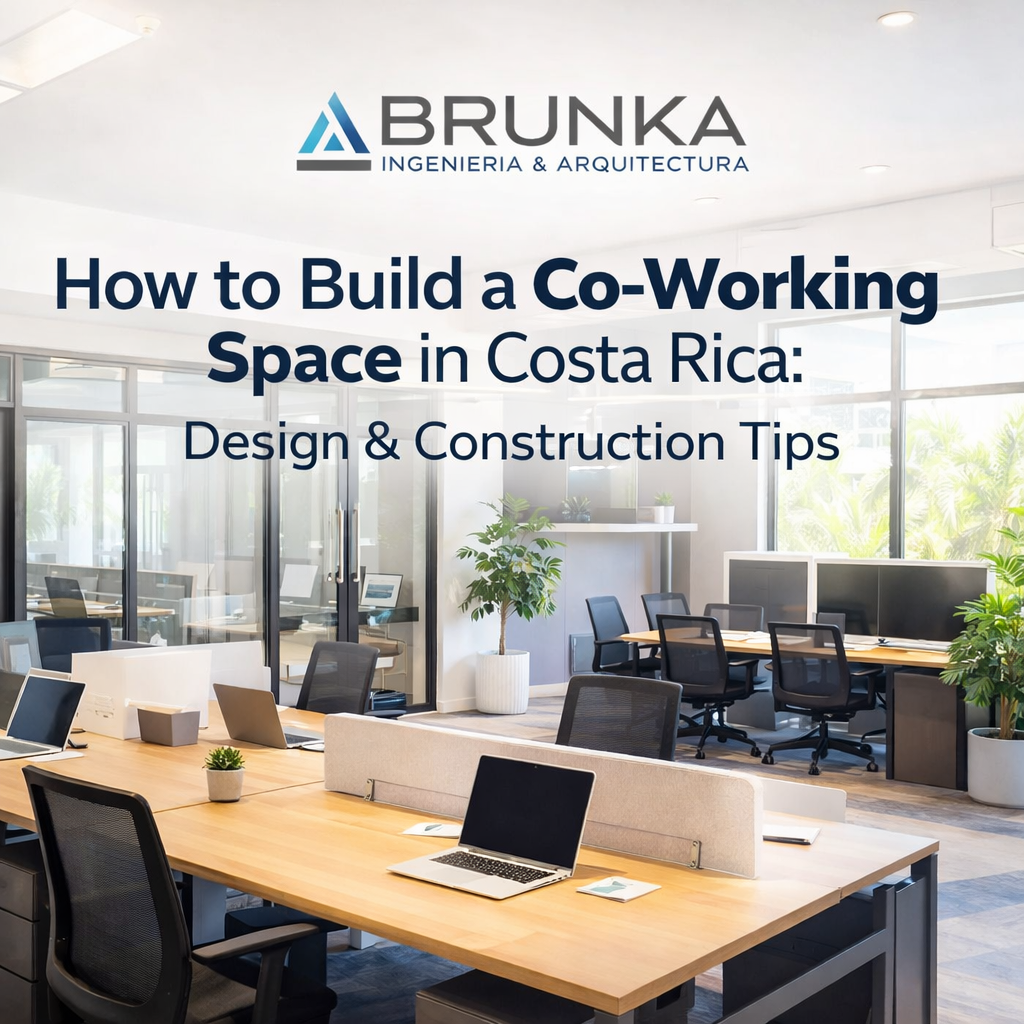
How to Build a Co-Working Space in Costa Rica: Design & Construction Tips
Key Takeaways
- Building a coworking space in Costa Rica requires clear planning, functional design, and compliance with local construction regulations to ensure safety, efficiency, and long-term usability.
- Successful coworking spaces combine open desks, private offices, meeting rooms, and quiet zones to support different working styles and improve productivity for freelancers, startups, and remote teams.
- Using professional architectural planning and 3D design visualization helps identify layout issues early, reducing costly construction changes and improving overall workspace functionality.
- Flexible layouts with modular furniture and movable partitions allow coworking spaces to expand easily, helping businesses adapt to increasing demand without major structural changes.
- Proper budgeting, durable materials, and reliable engineering support are essential to control project costs, maintain workspace quality, and ensure long-term operational success.
The demand for flexible work environments continues to grow as remote work and global entrepreneurship expand across industries. Costa Rica has become an increasingly popular destination for digital nomads, startups, and international companies, creating strong demand for well-designed coworking spaces. For investors and developers from the United States, building a coworking space in Costa Rica presents an opportunity to support modern work trends while developing a profitable commercial property.
However, building a coworking space requires more than simply preparing a building and placing desks inside. A successful project depends on careful planning, thoughtful workspace design, and reliable construction execution. When each stage is handled professionally, the result is a flexible workspace that supports productivity and adapts to future business growth.
Understanding the Purpose of Your Coworking Space
Before beginning the design process, it is essential to define the purpose of your coworking space. Every successful workspace begins with understanding how the space will be used and who the target users will be. Some coworking environments are designed mainly for freelancers and remote workers, while others are intended for corporate teams or startup groups.
A well-defined plan reduces confusion during later stages and ensures that resources are used efficiently. Many developers start by consulting professionals who specialize in architectural design services in Costa Rica, as early planning helps create layouts that balance functionality with user comfort.
Key factors to define early include:
- Your primary users, such as freelancers, startups, or corporate teams
- The estimated number of daily users
- The balance between open workstations and private offices
- The services and amenities you want to provide
For example, a medium-sized coworking space designed for 50–80 users typically includes a combination of shared desks, meeting rooms, and quiet work areas. This type of planning improves efficiency and supports long-term workspace usability.
Designing a Functional and Comfortable Workspace
Design plays a major role in the overall success of a coworking space. A well-designed workspace improves productivity, encourages collaboration, and creates a professional environment that attracts long-term members. Modern coworking environments are not just offices; they are flexible work ecosystems that support different working styles.
Before finalizing your layout, many developers use professional 3D rendering services to visualize the workspace and identify potential improvements before construction begins. This step reduces costly design errors and allows better decision-making.
Essential design elements typically include:
- Open workstations that encourage communication
- Private offices for focused or confidential work
- Meeting rooms equipped with presentation tools
- Quiet zones are designed for deep concentration
Lighting is another important aspect of coworking space design. Natural light improves comfort and productivity, while proper artificial lighting ensures consistency across the workspace. In addition, ergonomic furniture supports long working hours and helps maintain user satisfaction, making it a valuable long-term investment.
Planning for Flexibility and Future Growth
Flexibility is one of the most important characteristics of a modern coworking space. As demand grows, your workspace should be able to adapt without major structural changes. Designing flexible spaces allows businesses to expand capacity without significant renovation costs.
Developers who are new to commercial construction often benefit from learning the planning process in advance. Reviewing professional insights, such as how to hire an architect in Costa Rica, can provide valuable guidance on preparing for large-scale building projects.
Ways to build flexibility into your workspace include:
- Using modular furniture that can be rearranged easily
- Installing movable partitions for adjustable room sizes
- Creating multi-purpose rooms that support events and training sessions
- Leaving space available for future workstation expansion
Planning for flexibility not only supports growth but also improves long-term investment value.
Managing the Construction Process Effectively
Once the design phase is complete, the construction stage becomes the most critical part of the project. During this phase, attention to detail is essential to ensure the building meets structural safety standards and local regulations. Construction projects in Costa Rica typically require permits, inspections, and compliance with engineering guidelines.
Working with experienced teams that provide engineering services in Costa Rica helps ensure that structural systems are properly designed and that the building remains safe under daily use.
Key construction considerations include:
- Understanding zoning and permit requirements
- Ensuring structural safety and regulatory compliance
- Selecting durable materials for high-traffic environments
- Planning electrical, internet, and utility infrastructure early
Choosing durable materials is particularly important because coworking spaces experience heavy usage throughout the day. High-quality flooring, reliable finishes, and strong fixtures help maintain a professional appearance while reducing long-term maintenance expenses.
Budget and Timeline Expectations
Budget planning plays a major role in determining the success of your coworking project. Costs vary depending on building size, location, and customization level. Creating a clear financial plan helps control spending and reduces the risk of unexpected expenses.
Most coworking space projects include multiple cost components that should be carefully evaluated before construction begins.
Common cost factors include:
- Architectural planning and design services
- Construction materials and labor
- Interior finishing and furniture installation
- Technology infrastructure and connectivity setup
Project timelines usually range from several months to nearly a year, depending on the complexity of the project and permit approvals. Establishing a realistic schedule ensures smoother progress and improves coordination between teams.
Frequently Asked Questions
Q.1. How much does it cost to build a coworking space in Costa Rica?
Ans – The cost depends on the size, location, and interior quality of the space. Small coworking spaces cost less, while larger spaces with premium design and technology require a higher budget. Major costs include design, construction, furniture, internet setup, and permits.
Q.2. What facilities should a coworking space include?
Ans – A good coworking space should include open desks, private offices, meeting rooms, and quiet areas. High-speed internet, comfortable seating, proper lighting, and shared spaces like lounges or pantry areas also improve user experience.
Q.3. How long does it take to build a coworking space?
Ans – Most coworking spaces take 3 to 9 months to complete. The exact timeline depends on design approval, permits, construction work, and interior setup. Planning properly helps avoid delays.
Q.4. Why is flexible design important in coworking spaces?
Ans – Flexible design allows you to change layouts as demand grows. Using modular furniture and movable partitions makes it easier to expand or adjust the workspace without major renovation costs.
Q.5. Do I need architects and engineers to build a coworking space?
Ans – Yes, professional architects and engineers help create safe layouts, manage permits, and ensure construction follows local rules. Their involvement reduces mistakes and improves long-term building quality.
Final Thoughts
Building a coworking space in Costa Rica is a promising investment opportunity for developers who want to support the growing demand for flexible work environments. A successful coworking project depends on careful planning, efficient workspace design, and reliable construction execution.
By focusing on functionality, durability, and flexibility, you can create a coworking space that supports productivity and attracts long-term users. When each stage from planning to construction is handled professionally, the final result is a workspace that delivers lasting value and supports continued business growth.
Ready to Start Your Coworking Space Project?
If you’re planning to build a coworking space in Costa Rica, working with experienced professionals can make the entire process smoother and more efficient. Architect Engineer provides expert support in architectural design, engineering, and construction planning to help you turn your coworking vision into a functional and successful workspace. Contact Architect Engineer today to discuss your project and get professional guidance tailored to your coworking space needs.